
Finding a small business website builder that lets owners launch a professional site quickly without technical hassle remains difficult. Many website platforms demand upfront design fees, lock key features behind high tiers, or require developer skills to stand out. Comparing these four alternatives gives small business owners clear differences in pricing, support, and customisation, so the best fit can be chosen with confidence.
Table of Contents
aceSites
At a Glance
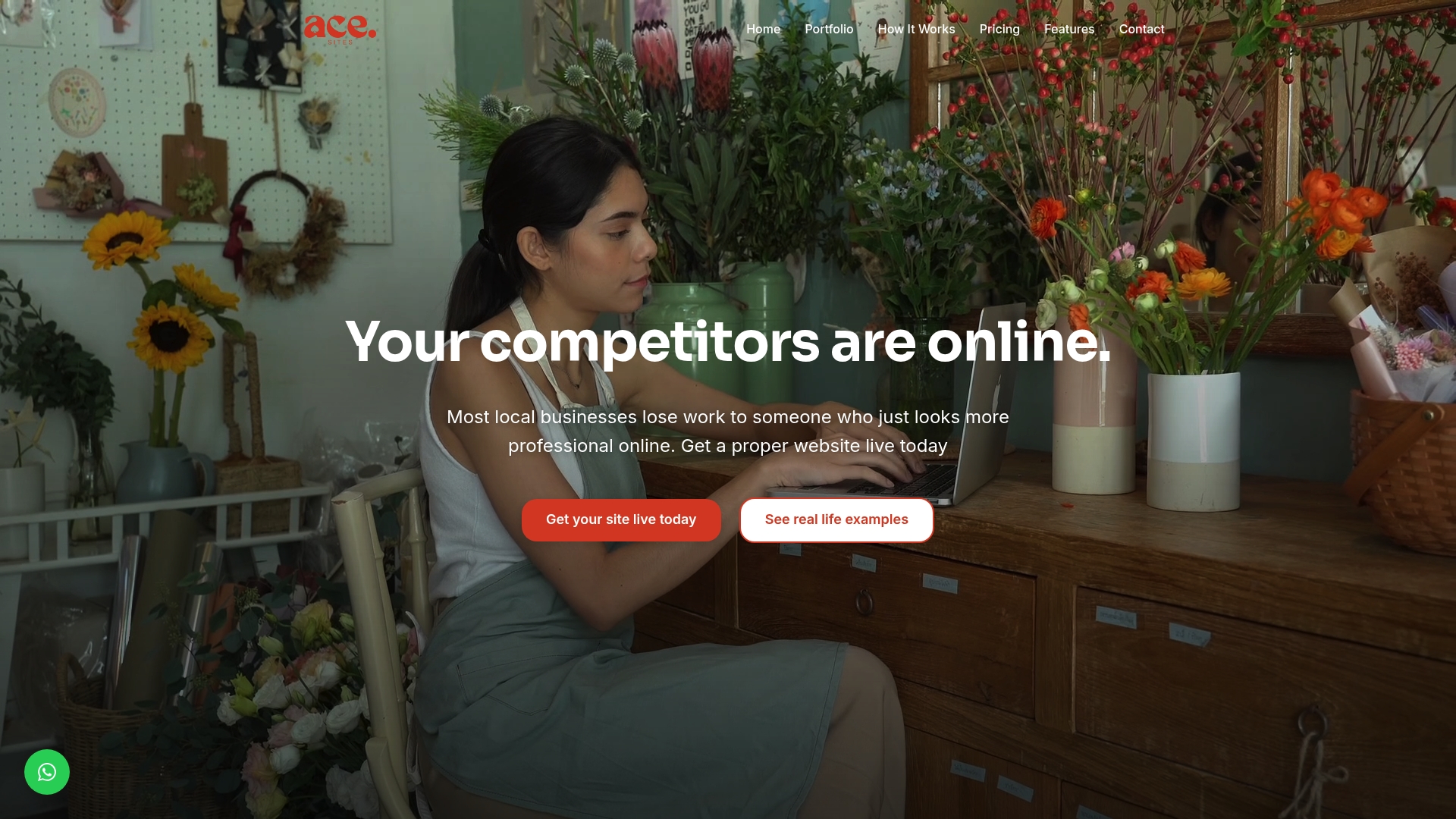
aceSites' marketing materials state it offers a free professionally built website for the first 10 sign-ups with no upfront payment. Plans start at £19.99/month and include a 30-day free trial and no long contracts. The vendor advertises clients can go live in under a day, which suits businesses that need a fast online presence.
Core Features
The service combines a drag-and-drop visual website editor with unlimited pages and easy content updates so non-technical owners can manage their site. Templates are mobile optimised and support custom branding and theming, while built-in SEO tools and a blog manager cover basic search visibility needs. Contact and booking widgets are included and listed integrations include Fresha and Timely, plus SSL security and optional custom domains on the professional plan.
Key Differentiator
The single feature that sets aceSites apart is the free-build offer for early customers. That offer gives small businesses a professionally built site without an upfront fee, which lowers the barrier to getting online. The cap on the offer means the advantage applies only to early adopters and to smaller projects rather than large bespoke sites.
Pros
aceSites delivers a simple path to a working website with hosting and ongoing support bundled into the monthly price. The editor and industry templates make it quick to match common trade, beauty, and food services without hiring a developer. Pricing and the basic plan structure reduce initial investment for small owners, and the free build or no-upfront option shortens the time between sign-up and having a live site.
Cons
- Limited customisation compared with bespoke development. Additional costs apply for truly bespoke design or advanced functionality.
Who It's For
Small UK service businesses with little or no technical experience will get the most from aceSites. Tradespeople, local salons, cafes, and other service providers who need a presentable website quickly and with minimal ongoing fuss fit this product. Owners who plan frequent self-managed updates benefit from the editing tools and built-in blog.
Unique Value Proposition
Plans that start at £19.99/month with a 30-day free trial and no long contracts make aceSites an economical choice for owners watching cash flow. Hosting, support, and basic features sit inside that monthly fee, so you pay a regular amount rather than a large upfront invoice. For those who qualify, the free-build offer reduces labour on the first site and hands you a working platform to edit yourself.
Real World Use Case
A local salon signs up and chooses a template that matches its brand colours. The vendor-built launch is applied, the owner edits services and prices, and appointments start arriving from the contact widget. Later the owner posts weekly blog updates with the built-in manager and updates photos without hiring a developer.
Pricing
Pricing begins at £19.99/month with a 30-day free trial. A professional plan is listed at £29.99/month and supports custom domains at additional cost. Plans carry hosting and support in the monthly fee and do not require long contracts.
Website: https://ace-sites.co.uk
Duda
At a Glance
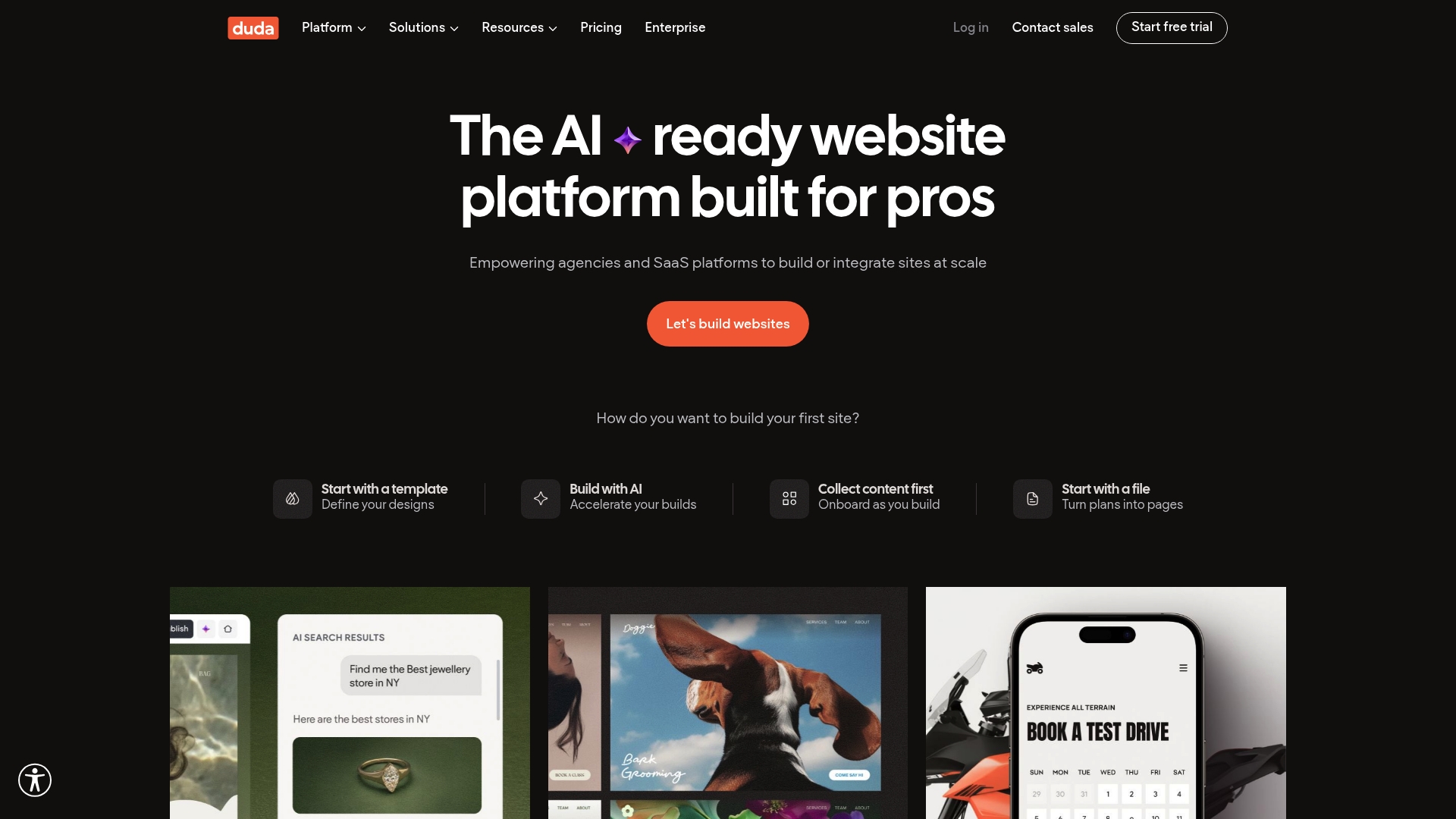
White-label delivery and dedicated agency dashboards sit at the heart of Duda. These features let teams rebrand client sites and manage multiple accounts from a single control surface. The platform pairs this with AI-assisted site creation to cut repetitive work.
Core Features
A drag-and-drop builder combines with AI tools for content generation and SEO suggestions, so designers can produce pages faster and with fewer edits. Client management and collaboration tools centralise site access, while APIs and automation connectors support onboarding and data-driven pages. The vendor advertises high-security AWS hosting, automatic backups, and industry-leading Core Web Vitals scores.
Key Differentiator
Duda focuses on agency workflows, not solo site owners. Its white-label platform and multi-site management are built for teams that sell or manage client sites at scale. Compared with Ace-sites, Duda serves agencies and SaaS partners who need branded delivery, automation, and a platform ready for many client accounts.
Pros
Specialist agency tooling reduces repetitive setup and speeds delivery by automating onboarding and content flows. The white-label options let agencies present client sites under their own brand, which helps sales and client retention. API access, custom widgets, and a sizeable app store let developers extend sites with bespoke features. Enterprise hosting on AWS and routine backups lower maintenance tasks for in-house operations.
Cons
-
Advanced customisation often needs developer time or extra plugins. This raises project complexity for teams without technical skills.
-
Subscription costs vary with scale and features, which can make budgeting harder for small teams or solo practitioners.
-
Dependence on proprietary hosting restricts clients who prefer self-hosted or alternate hosting environments.
-
Customer support quality can vary, and some technical problems may need experienced developer intervention.
When It May Not Fit
If you run a one-person operation that needs a simple, low-cost site, Duda may be more than you need. Teams that want to self-host or control server environments will find the platform limiting. If your workflow lacks developer resources, some integrations and custom widgets will add overhead. Smaller budgets will feel pressure as client counts and feature demands grow.
Who It's For
Agencies, digital marketers, and SaaS providers who manage multiple client sites will get the most value. Teams that sell branded website packages benefit from white-labeling and centralised dashboards. Businesses that expect to scale site numbers and require automation will find the platform aligned with those needs.
Real World Use Case
The vendor describes a digital marketing agency using Duda to manage hundreds of client websites. That agency uses AI to draft page copy, dynamic pages to publish data-driven content, and white-label delivery to hand over sites under its own brand. Automation connectors reduce manual onboarding and free the team to focus on strategy.
Pricing
Duda uses tiered subscription plans with a 14-day free trial and options that include white-label and enterprise features. Pricing rises with the number of sites, client management tools, and advanced automation needs. Teams should map expected site counts to tiers before committing.
Website: https://duda.co
Squarespace
At a Glance
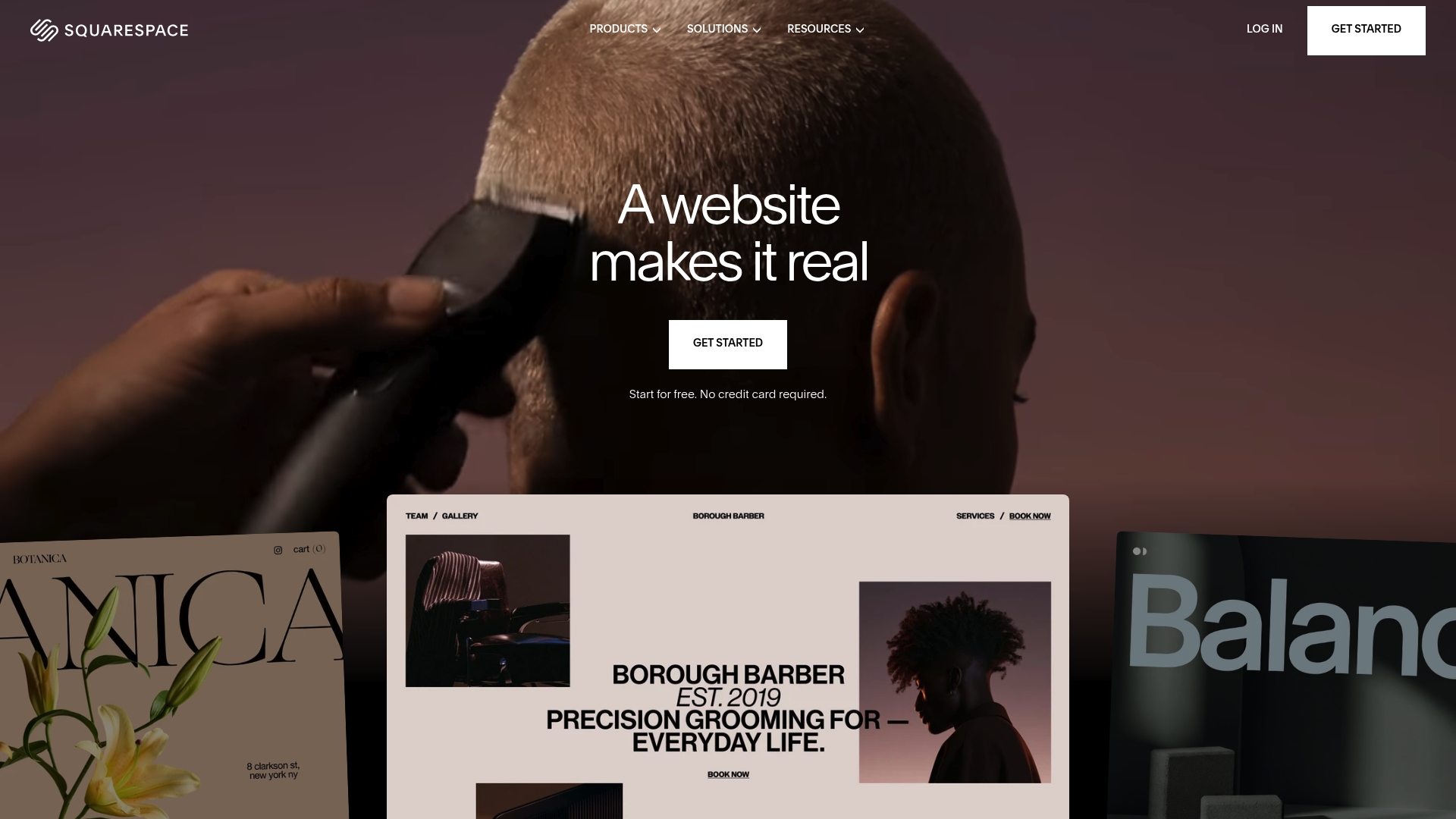
AI-powered website and content creation tools sit alongside professionally designed templates and built-in hosting. The platform bundles SSL and basic DDoS protection with editing and e-commerce features. A 14-day free trial and published starting price make it quick to test before committing.
Core Features
Squarespace supplies a library of industry templates you can customise with drag and drop editing and layout controls. Its AI tools help generate page content and design suggestions while integrated hosting and security manage certificates and basic protection. E-commerce, email marketing, and SEO tools work inside the same interface so you do not piece separate services together.
Key Differentiator
The strongest single angle is the combination of AI-powered content and design tools with professional templates and full hosting. That mix lets small teams produce polished sites fast without hiring a designer. The result is a compact workflow from draft to live site inside one product.
Pros
The editor makes site building accessible to non-technical people with drag and drop editing, templates tuned to common industries, and domain management in the same place. Built-in marketing features such as SEO controls and email tools reduce the number of separate accounts you must manage. AI assistance shortens content creation time and helps new users pick a visual direction.
Cons
-
Pricing can be higher for advanced features and large stores.
-
Limited flexibility for heavily custom web development without knowledge of CSS and HTML.
-
Full customisation and advanced integrations often require higher tier plans.
When It May Not Fit
If you need deep custom back end work or bespoke integrations, Squarespace will feel constraining without developer skills. Teams requiring offline editing or local development workflows will find the web‑only editor limiting. Businesses running very large stores on a tight budget will likely need a different commerce platform.
Notable Integrations
-
Squarespace Payments
-
Google Workspace
-
Third‑party extensions via the Squarespace Extensions marketplace
Who It's For
Small business owners, creatives, and solo professionals who want an easy, polished site with selling and marketing tools in one place. It suits people who prefer fewer vendor relationships and a hosted environment. It also works well for portfolio sites, blogs, and small online shops.
Real World Use Case
A freelance photographer builds a portfolio, adds booking and payment, and uses the site newsletter tool to contact past clients. They rely on templates and AI prompts to craft page copy quickly. Hosting and domain control keep administration under one login.
Pricing
Plans start at $19/mo for basic websites with a 14-day free trial available. Pricing rises to $99/mo for advanced e-commerce capabilities and larger stores. Higher tiers unlock additional commerce and integration features.
Website: https://squarespace.com
SITE123
At a Glance
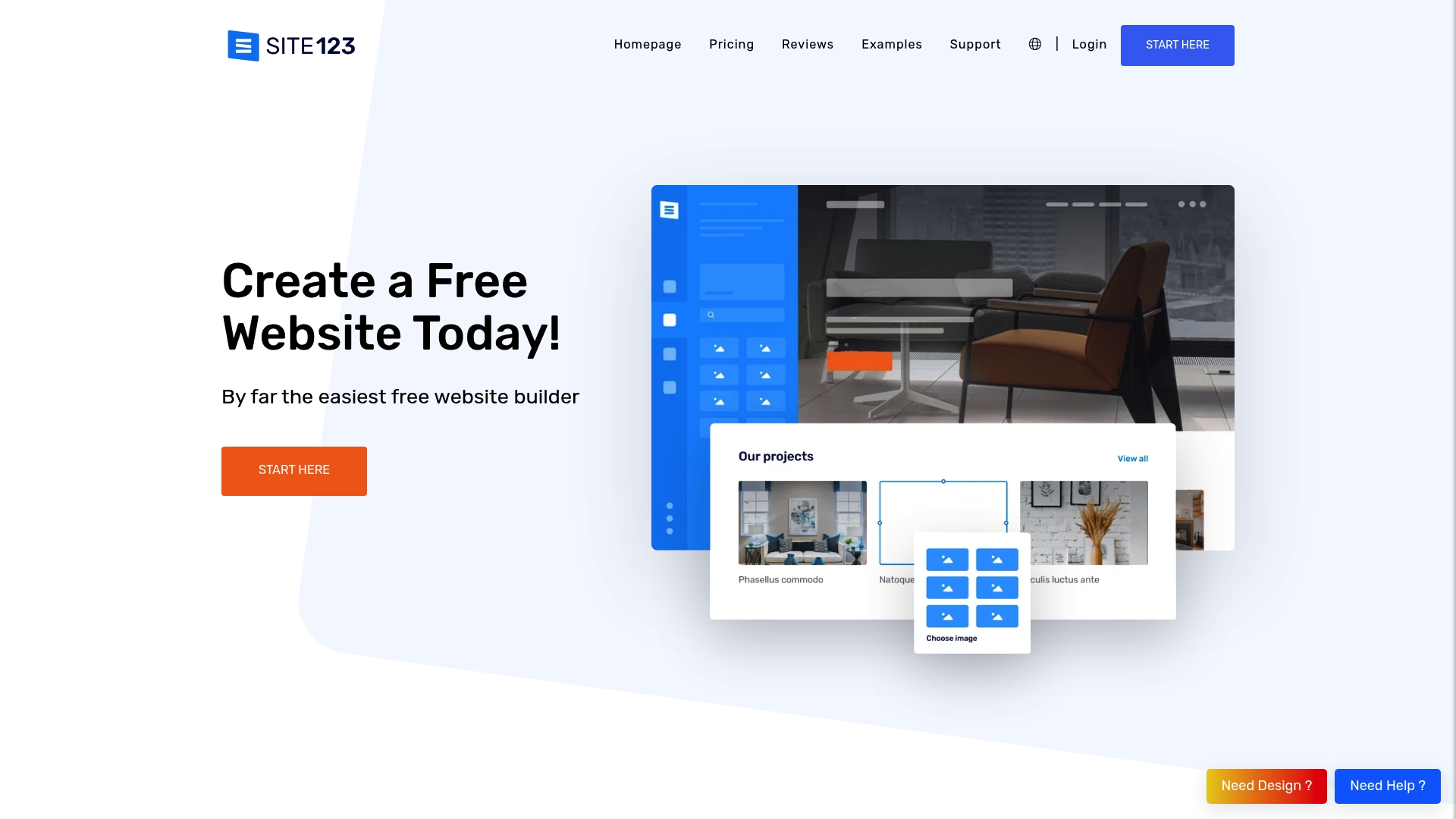
SITE123 advertises a free plan with no trial or hidden fees, making it simple to start a site without upfront cost. The vendor's marketing materials state it offers 24/7 support to help non technical owners. That combination suits small teams that need a quick, low risk web presence.
Core Features
SITE123 focuses on structure and ready made layouts rather than a drag and drop canvas. It includes responsive design, built-in SEO tools, free hosting, optional domain registration on annual plans, multilingual support, a blog, and eCommerce features for basic stores. The editor and media library keep routine tasks straightforward for owners who do not want to code.
Key Differentiator
The product's main selling point is its structure based approach with pre designed templates and set layouts that guide page creation. That method speeds up setup and reduces decisions for beginners while still producing professional looking pages. It is designed for pragmatic site builds rather than bespoke design work.
Pros
SITE123 is very easy to use and removes common technical barriers, so you can get a site live quickly. The free hosting and the free plan remove financial friction for a small business testing an online presence. Built in features such as multilingual support and basic eCommerce mean you do not need multiple third party tools for a simple store or booking setup, and the vendor claims round the clock support for hands on help.
Cons
- Limited customisation compared to advanced builders. This restricts unique designs and fine control over layout and animations.
- Key features such as custom domains and full eCommerce require paid plans. That makes the free plan good for testing but not for a polished business site.
- Less flexible for complex websites that need bespoke workflows or deep third party integrations.
When It May Not Fit
If you need full control over styling or want pixel perfect templates, this product will feel restrictive. Agencies building tailored sites for many clients will miss advanced design tools and white label options. Larger online stores that require complex inventory rules or external fulfilment workflows will need a more capable eCommerce platform.
Who It's For
Small business owners, sole traders, and individuals who want a professional site fast will find this a good match. It suits people who prefer guided choices to endless configuration and who do not have developer support. If you want a basic online shop, a portfolio, or an event page with booking, this is a practical option.
Real World Use Case
A local restaurant can use SITE123 to publish a mobile friendly menu, accept online bookings, and post news about special events with scheduled blog posts. The restaurant owner can manage photos and menus through the editor without hiring a developer. Multilingual support helps reach tourists or local communities speaking other languages.
Pricing
The entry option is a free plan for testing and basic sites. Paid plans start at $10.8/month (annual) to connect a custom domain and unlock professional tools and eCommerce. The pricing model follows monthly tiers with lower rates when you pay annually.
Website: https://site123.com
Comparison of alternatives
Choosing between website builders hinges on trade-offs between affordability, ease of setup, and advanced functionality. For small businesses aiming to establish an online presence, the options analysed below present distinctive features catering to varying requirements.
Pricing versus customisation
While aceSites offers transparency with its straightforward pricing plans starting at £19.99 per month inclusive of hosting and support, Duda's model scales with feature demands and client numbers, making it suitable for growing agencies yet potentially costly for smaller enterprises. SITE123’s free tier removes initial costs for basic websites, while Squarespace's e-commerce capabilities are better suited for slightly larger budgets.
Usability and scalability
Non-technical users benefit from aceSites' drag-and-drop editor and guided configuration. Beginners will find SITE123's structured templates intuitive, although advanced features may require upgrading. Duda excels at supporting agency workflows with its multi-site management tools, while Squarespace's AI-enhanced design interface appeals to creators requiring visually polished outcomes.
Best fit
- Small UK businesses looking for a simple and fast website setup will find aceSites' prebuilt website offer and straightforward pricing especially practical.
- Agencies requiring tools to manage multiple client websites will appreciate Duda's white-label platform and dedicated collaboration workflows.
- Beginners preferring budget-conscious website options with guided setups may explore SITE123 for its free plan and availability of support.
- Professionals needing a visually refined online presence for portfolios might lean towards Squarespace for its balanced design assistance and marketing tools.
Our pick
aceSites emerges as a compelling choice for small UK businesses prioritising convenience and cost savings. Its unique offering of a free website build for the first 10 sign-ups enables a rapid launch without upfront costs. However, users requiring intricate customisation or extensive e-commerce integrations might consider alternatives like Duda or Squarespace to meet those specific needs.
Selecting the right platform depends on whether you need fast setup, agency-focused tools, or advanced design flexibility.
| Product | Key Differentiator | Best For | Pricing | Notable Limitation |
|---|---|---|---|---|
| Ace-sites | No upfront fee with first 10 free-build offers | Small UK service businesses | £19.99/month starting | Limited customisation compared with bespoke sites |
| Duda | White-label tools for agencies | Agencies with multi-client workflows | Price not published | Requires technical skills for advanced use |
| Squarespace | AI content tools with integrated hosting | Small business owners and creatives | $19/mo starting | Requires higher tiers for advanced features |
| SITE123 | Free plans for basic website creation with templates | Sole traders needing a quick and simple site | $10.8/month (annual payment) starting | Limited flexibility for custom designs |
Which Weebly Alternative Fits Your Small Business Website Needs?
Choosing the right platform to get your service business online can feel tricky. Many small UK service owners want a simple, affordable way to create a professional website without technical hassle. Ace-sites answers these challenges by offering fast, user-friendly site creation, no upfront costs, and built-in SEO tools designed for tradespeople, salons, and cafés. You can launch your site live in under a day and manage it yourself easily.
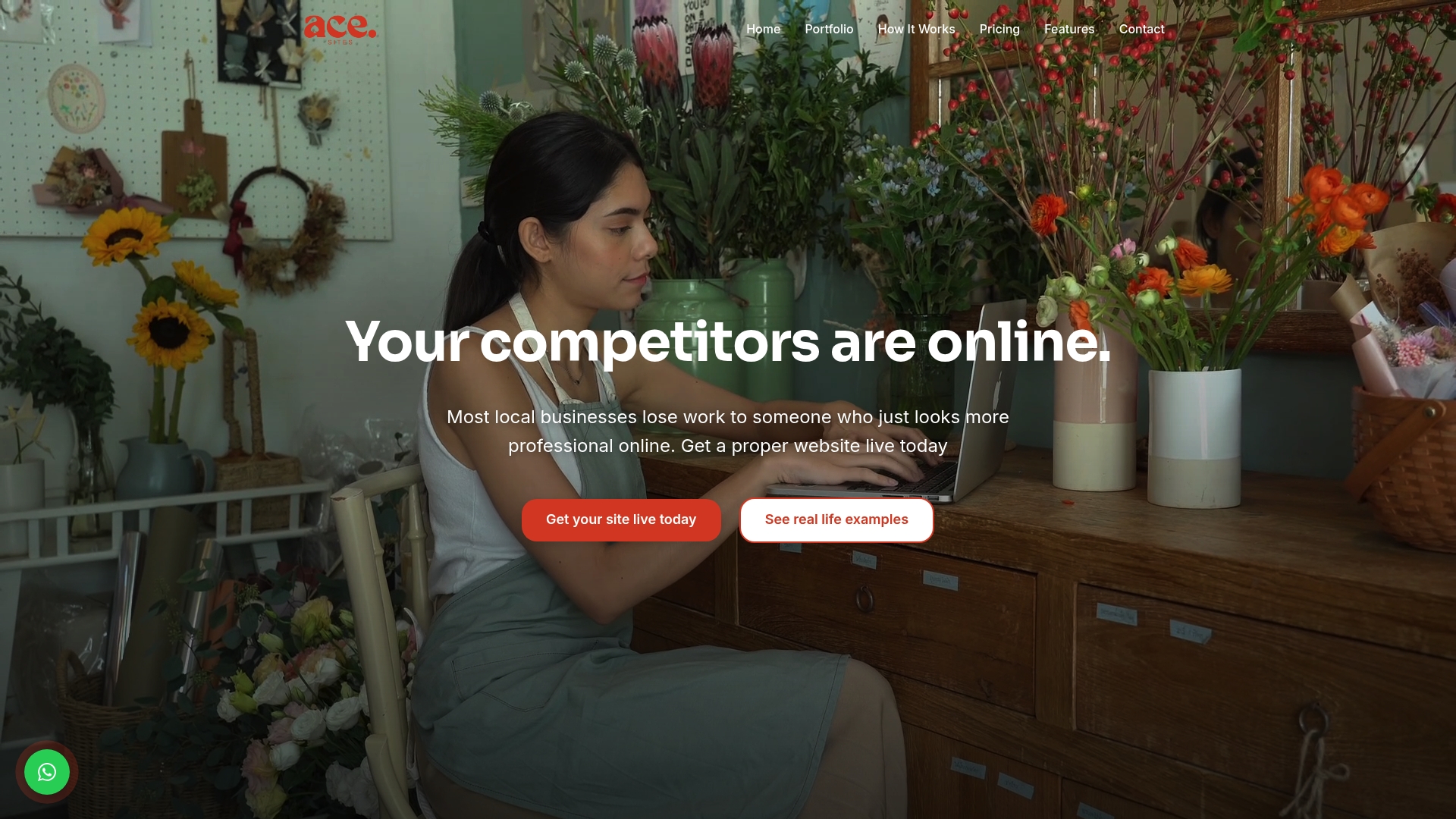
If you need a straightforward website that goes live quickly and strengthens your digital presence, visit Ace-sites. See how having professional support and key features like a blog manager can help you attract more local clients without complex setups.
FAQ
How does Ace-sites support small business website builders?
Ace-sites provides a free professionally built website for the first 10 sign-ups with no upfront payment. This offer allows small business owners to access a professional site quickly without initial costs, making it a practical choice for those needing a fast online presence.
What is the difference between Ace-sites and Duda?
Duda excels in providing white-label delivery and advanced agency tools, making it ideal for digital agencies that manage multiple client sites. In contrast, Ace-sites is more suited for small service businesses that require a straightforward, quickly deployable website solution without complex agency features.
Can I use Ace-sites for eCommerce if I need a basic store?
Yes, Ace-sites includes basic eCommerce features along with contact and booking widgets. This combination enables small businesses to establish a simple online store while enjoying a user-friendly experience.
What are the main advantages of Ace-sites over Squarespace?
Ace-sites offers a lower starting price of £19.99/month and a 30-day free trial, compared to Squarespace’s higher entry prices. This structure makes Ace-sites a more accessible option for small business owners prioritising budget.
Does Ace-sites offer SEO tools for website visibility?
Yes, Ace-sites includes built-in SEO tools to help improve your website's search visibility. These tools allow small business owners to manage their site's SEO without requiring technical expertise, contributing to a better online presence.